First Person Dream Catcher Malaysia – Solo RNG Money Wheel Guide
Fifty-four segments, one wheel, and no host slowing the pace between spins, that is the entire pitch of First Person Dream Catcher next to its live counterpart. This guide covers the exact segment counts on the wheel, what each one is really worth, what the multiplier wedges do to a payout, and why the same wheel can cost you five times as much per hour in this format as it does at the live table.
First Person Dream Catcher by Evolution Gaming offers Malaysian players an immersive solo version of the popular Dream Catcher money wheel game, available wherever a Malaysian lobby carries the Evolution suite. The first-person perspective creates an intimate wheel experience, and the signature Go Live button allows seamless transfer to a real live Dream Catcher table whenever you choose.
What is First Person Dream Catcher?
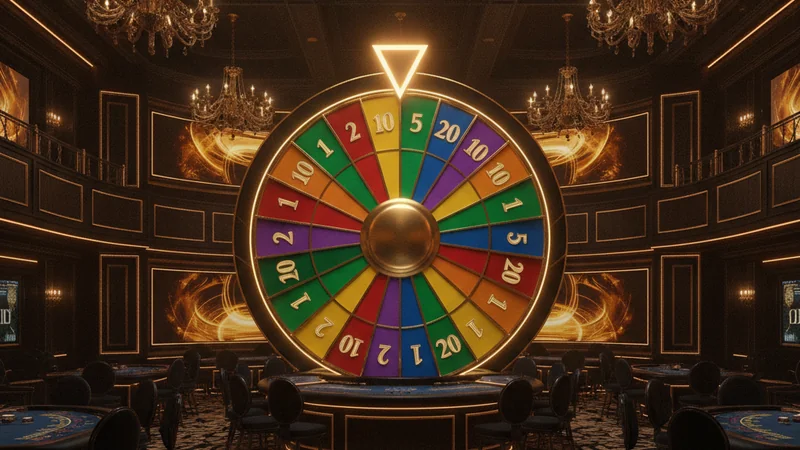
First Person Dream Catcher from Evolution Gaming recreates the famous Dream Catcher money wheel as a solo, on-demand RNG game you can spin entirely by yourself. The wheel layout mirrors the live show exactly, the 1, 2, 5, 10, 20 and 40 number segments plus the 2x and 7x multiplier wedges, but here the spin happens the instant you are ready, with no host patter and no waiting for the next round. When the urge for company strikes, the Go Live feature drops you straight into the full live Dream Catcher table.
Wheel Segments & Payouts
- Number 1 (23 segments). Pays 1:1, most frequent outcome.
- Number 2 (15 segments). Pays 2:1.
- Number 5 (7 segments). Pays 5:1.
- Number 10 (4 segments). Pays 10:1.
- Number 20 (2 segments). Pays 20:1.
- Number 40 (1 segment). Pays 40:1, rarest standard segment.
- 2x Multiplier. Doubles all bets for the next spin.
- 7x Multiplier. Multiplies all bets 7x for the next spin.
Those segment counts add up to 54, and they are Evolution Gaming's published wheel layout, visible in the game's own info panel while you play. That is where you should confirm them, and where the return figure for the table is stated. We check every game guide against the provider's rules and paytable rather than against lobby copy, a process described in our live casino review methodology.
What the Segment Counts Actually Mean
Turn those counts into frequencies and the wheel stops being mysterious. The 1 occupies 23 of 54 slots, so it lands about 43% of the time and returns your stake again. The 2 occupies 15 slots, roughly 28%. The 5, 10 and 20 between them cover 13 slots, about 24%. The 40 has a single slot, about 1.85%, which is once in every 54 spins on average. The two multiplier wedges take one slot each, so a multiplier appears roughly one spin in 27.
In Ringgit that looks like this. Spread MYR 15 across the 1, 2 and 5 in the usual weighting and you will win something on roughly 83% of spins, but many of those wins will be smaller than the MYR 15 you laid out, because covering three segments means paying for two losers every time one of them lands. Put MYR 5 on the 40 alone and you should expect a MYR 200 return roughly once an hour at a self-paced 50 spins, with long empty stretches on either side of it. Neither approach beats the other on price. They simply distribute the same expected cost differently across the evening.
Strategy Tips
Tip 1: Spread Across Multiple Segments
Covering segments 1, 2, and 5 in proportional amounts (more on 1, less on 5) provides regular wins with occasional higher-value returns. This balanced approach keeps your bankroll active longer.
Tip 2: Use Go Live for Social Experience
Once comfortable with the wheel, hit Go Live to join the full Dream Catcher live experience with other players, live hosts, and the full show production atmosphere.
Tip 3: Exploit the Self-Paced Spins to Learn the Odds
Since the RNG version spins only when you click and never rushes you, use it as a no-pressure laboratory to feel out how often each segment lands, the 1 turning up far more than the lone 40, before you commit larger stakes or switch to the timed live show. Treating these solo rounds as practice helps you size bets sensibly once the social table is moving quickly.
Which Providers Offer It
- Evolution Gaming, Creator of First Person Dream Catcher with Go Live transition to real live tables.
Same Wheel, Different Clock
The published return of First Person Dream Catcher matches the live show, because the wheel layout is identical and the RNG is certified to reproduce its probabilities exactly. What changes is time. The live table deals a spin every minute or so, host chatter included. Here the next spin starts the instant you press the button, and that difference belongs to you to spend well or badly. Used well, the solo format is the cheapest way to learn the wheel, watch how often the 40 actually lands, and settle your staking plan without an audience. Used badly, it deals you five times the rounds an hour at the same stake, and the maths of that needs no explaining.
What the Multiplier Wedges Really Do
The 2x and 7x wedges take no bets. When the flapper stops on one, every payout is multiplied accordingly and the wheel spins again with all wagers still standing, and multipliers stack when they land back to back. A 7x into a 40 is the outcome everyone is quietly waiting for, worth 280 to 1 on a single spin sequence. Those wedges are the entire reason the game holds attention, and they are also why results arrive in lumps. Most spins pay the 1 or the 2, and the session's shape depends on whether a multiplier chain happens on your watch.
A Practice Room with a Door to the Show
The Go Live button is more useful than it looks. A sensible pattern for new players is twenty quiet solo spins to test a staking spread, then the jump into the live Dream Catcher table once the layout feels familiar. The show adds a host, a crowd and a shared result, and it slows everything down, which your bankroll will quietly thank you for. Treat the first-person version as the rehearsal room and the live wheel as the stage, and both formats end up doing the job they were built for.
Session Notes
Because nothing paces you, install your own brake. A spin cap decided before you start, fifty is plenty, beats a money cap alone, since fast formats reach money limits sooner than feels possible. Keep stakes at the level you would use on the live wheel rather than upsizing because the room is private. And if you notice the button becoming automatic, that is the signal to take the Go Live door and let a host set the tempo for a while. Our bankroll guide covers the wider method, and our responsible gambling page covers the deposit limits, session timers and reality checks that do the braking for you when discipline slips.
The First Person Family, Mapped
Evolution has quietly built an entire wing of these RNG twins, and knowing the family helps you use this one well. First Person Roulette is the busiest of them, a rendered single-zero wheel with the same self-pacing trap and the same practice value. First Person Blackjack is arguably the most useful of the set, since blackjack is the one game where private, unhurried practice against a strategy chart genuinely converts into money saved at the live table. First Person Mega Ball rounds out the group for the bingo-inclined. Every member shares the same design grammar, certified RNG behind a rendered table, the Go Live button as a doorway, and stakes that match the live floor rather than undercutting it.
The family's honest purpose is rehearsal and convenience rather than a destination. Live tables carry the atmosphere, the accountability of a visible human dealer, and the pacing that keeps sessions inside sensible bounds. The first-person rooms carry none of that, which is exactly why they are perfect for testing a staking plan at genuine odds and terrible as a place to spend a distracted midnight hour. Use them deliberately and they earn their place in the rotation.
Common Questions
Are the odds different from live Dream Catcher?
No. Segment counts, payouts and multiplier behaviour mirror the live wheel, and the RNG is independently certified against that layout. The only real difference between the two formats is pace and company.
Do the 2x and 7x multipliers stack?
Yes. Consecutive multiplier wedges multiply together before the next number lands, which is how the wheel produces its rare but memorable triple-digit payouts.
Is this a good first live casino game?
It is one of the best, precisely because it is not live. You learn a real wheel with real odds at your own speed, with a one-tap route into the genuine show when you are ready.
Does a bonus balance work on this wheel?
Often not, or not at full value. Game show titles and RNG table games are among the categories most frequently excluded from bonus wagering, or counted at a fraction of stake, and the rules differ between operators rather than between studios. Read the promotion terms on the operator's own page before you claim anything you intend to spend here.
Why does the wheel have more 1s than anything else?
Because frequency is the product. A wheel dominated by low segments pays somebody nearly every spin, which keeps the room lively, while the rare 40 carries the story people come back for. Money wheels across every studio share this architecture, and once you see it you can read any new wheel's character at a glance. Count the low segments for how often you will win, look at the top segment for how big the story can get, and price your expectations between the two before staking anything.
Related Reading
- Evolution Gaming, the studio that built both this wheel and the live show it copies.
- Dream Catcher, the live table with a host, a crowd and a slower clock.
- First Person Roulette, the busiest member of the same RNG family.
- Crazy Time, the money wheel with bonus rounds bolted on.
- Monopoly Live, the other major wheel in Malaysian lobbies.
- Best live game shows in Malaysia, for how the category compares on pace and price.